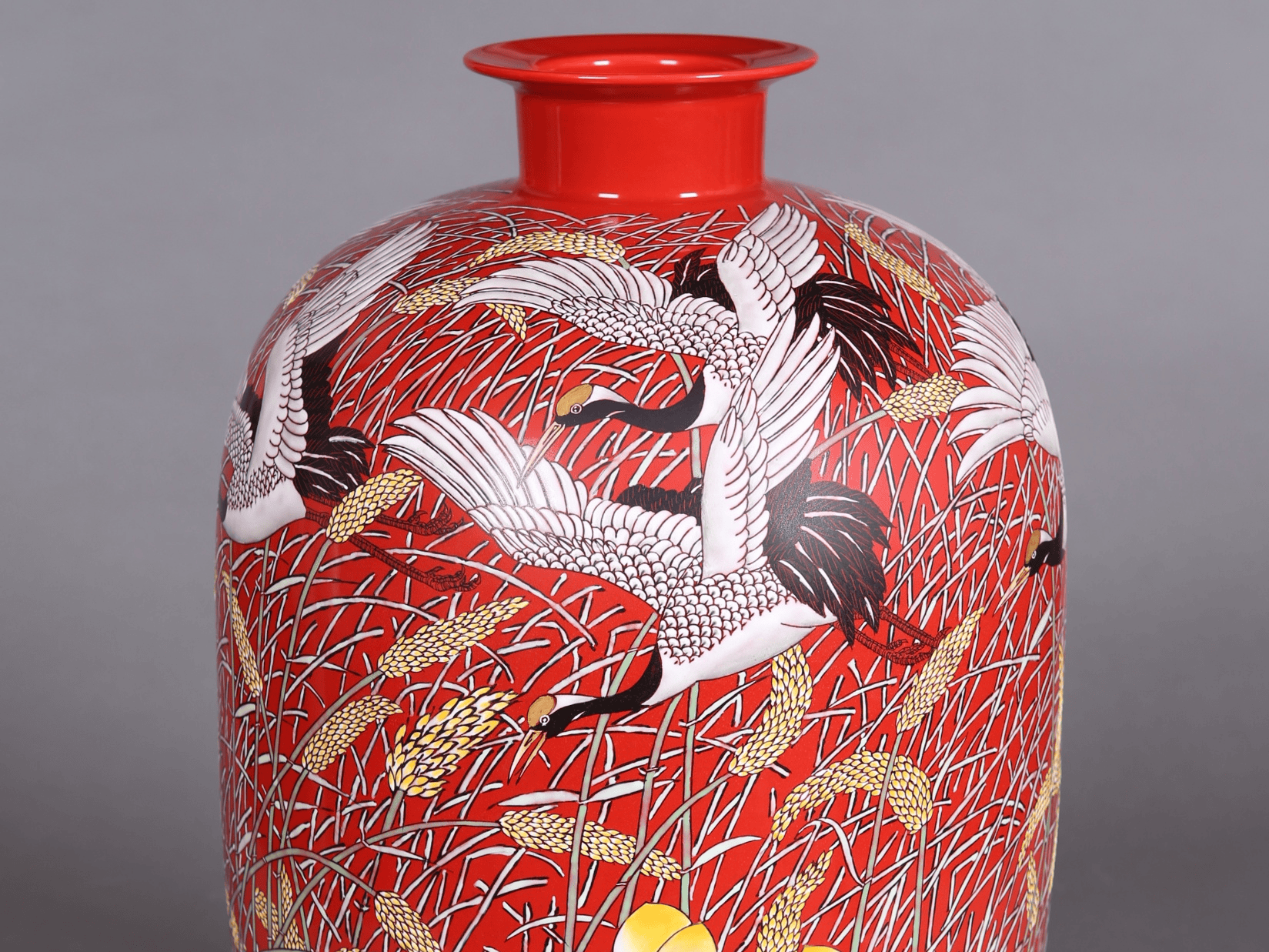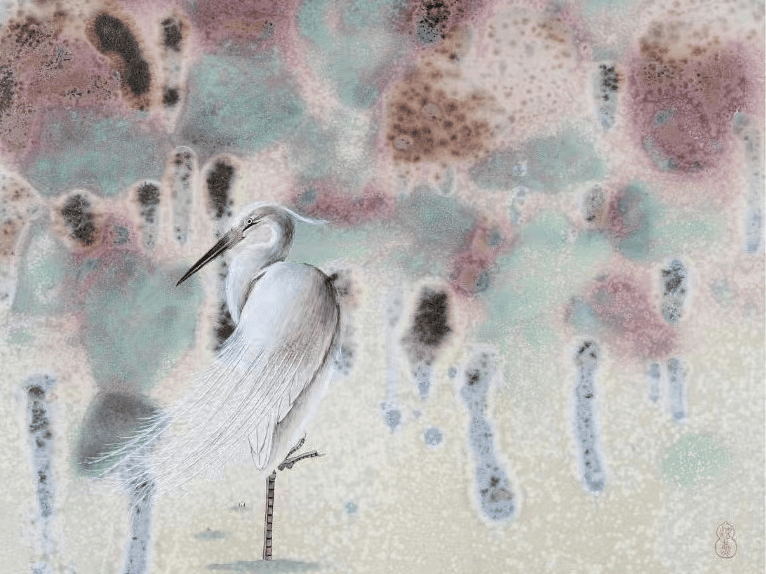
Brick form represents a extraordinary expression style with a prolonged record, spreading back countless of generations. From ancient pots to modern exhibitions, the element offers unique possibilities for creative manifestation. Artisans use multiple techniques – including molding, wheel manipulating, and advanced firing processes – to mold humble mud into captivating three-dimensional sculptures. The toughness of fired ceramic also contributes to its status as a truly significant part of human history.
Delving into Terracotta Tablet Configurations and Techniques
The world of ceramic panel design offers a extensive array of expressive possibilities. Crafters often explore a variety of classic and contemporary techniques to produce visually beautiful pieces. These can span from simple, molded reliefs to complex, multi-layered layouts. Standard methods include template molding, hand crafting, finishing glaze – which can involve an array of forms like painting before firing, surface glaze ornamentation, and etched pattern where designs are brought out by abrading a layer of enamel. More investigation into outer appearances such as the raku firing method and lustreware can lead to truly uncommon and exclusive stoneware panels.
- Mold Making - Creating pieces using a model
- Hand Shaping - Accurately crafting the material
- Glaze Application - Smearing the layer with a glassy finish
- Scratched design - Making visible designs by stripping overlays
Immersive Experiences: Brick Art Presentations
The developing landscape of imagination presents exciting contemporary avenues for participants, and ceramic art installations are at the summit of this transition. These aren't just static pieces; they are fabricated to envelop the viewer in a sensory experience. Imagine travelling across a forest of towering, coated ceramic trees, or navigating a labyrinth of detailed ceramic vessels. Many creators are now incorporating noises, visuals, and even smell to enhance the impression of their work. Consider the power of a room filled with hundreds of carefully ceramic artifacts, each telling a chronicle. Often, such installations study themes of the earth, history, and humankind.
- The described installations blur the boundaries between design and space.
- Engaging with a ceramic art installation can be a deeply intimate journey.
- Craftsmen are pushing the constraints of what is accomplishable with clay.
That Attractiveness of the Clay Jar: Function and Structure
The terracotta pot represents a notable conjunction of functionality and decorative appeal. Historically, these canisters served a essential mission in keeping materials, but their advancement has transformed them into highly valued works of craftsmanship. Each item showcases the ability of the creator, demonstrating how form can be as essential as operation. The conscientious shaping, the distinctive glazes, and the entire presence of a artfully-produced vessel can enhance a space, offering both grace and a reserved reminder of the human hand.
Modern Earthenware Figure : Testing Perimeters
Modern clay work represents a fascinating transition from time-honored practices. Builders are actively innovating with different processes, dissolving the frontiers between form and additional design spheres. From large installations to intricate miniature pieces, such works investigate themes of culture while concurrently reshaping the definition of what ceramics can achieve. The consequence is a lively world of imaginative representation.
Earthenware Inscription: Maintaining Heritage in Ceramic
Ceramic plaques offer a unique method for noting significant events and souls. Opposite of traditional metal or stone markers, these sturdy pieces of mastery are formed from kilned clay, creating a material link to the former times. Frequently, they feature intricate figures or precisely drawn imagery, communicating stories that might otherwise Portable Travel Cup be disregarded. Such technique, originating in ancient civilizations, provides a striking and eternal way to pay tribute to our collective legacy.
- They can be established in open spaces.
- Several are now considered historical valuables.
Stoneware Art Exhibits: Transforming Places
Porcelain art installations are becoming a powerful medium for makers to redefine public and private locations. These immersive installations frequently involve massive clay sculptures that absorb viewers, influencing their insight of the fabricated environment. By utilizing diverse systems like artisanal crafting and elaborate firing ways, ceramic artists generate truly original experiences, removing the boundaries between production and space. The impact is often a impactful alteration that raises the artistic quality of the environment and inspires discussion.
Origin Lathe to Beauty: The Trade of the Clay Holder
The journey of a clay jar from a simple lump of clay to a refined work of production is a testament to human creativity. Customarily, the process commences with the potter’s spin wheel, where the skilled artisan crafts the rotary mud into a cylindrical contour. This initial process demands clearness and a keen eye, followed by a delicate curing period. Once soft-fired, the vessel is ready for ornamentation, which may comprise painting intricate arrangements, inscribing detailed scenes, or incorporating a collection of textures. The ultimate curing process then renders the component into a durable and stunning urn, a tangible representation of the builder's vision.
Working with Stoneware: A Course to Brick Art
Entering the domain of stoneware composition begins with understanding the fundamentals of modeling with pottery. That means includes carefully building and removing mass to build three-dimensional items. Regardless of you're a amateur or a veteran sculptor, practicing with alternative forms of porcelain – namely brick – will promote you locate your idiosyncratic expression. After all, brick forming is a valuable undertaking that merges skilled know-how with inventive demonstration.